Licensed/Certified Massage & Lymphedema Therapist in SWFL
What is Postpartum Massage?
Restore Your Strength, Embrace Your Motherhood
Postpartum Massage: A Guide for New Mothers
An effective and holistic approach for the adjustments to motherhood.
What is Postpartum Massage?
Postpartum massage is a specialized full-body therapeutic massage designed to support women through the significant physical and emotional changes after childbirth. It’s typically offered within the first year after delivery, and can also be beneficial for women recovering from miscarriage or stillbirth.
The postpartum period brings unique demands: your body is recovering from pregnancy and labor, hormones are fluctuating rapidly, and you’re often dealing with sleep deprivation, stress, and new physical discomforts like back, shoulder, and hip pain. Postpartum massage is customized to address these individual needs, helping your body heal and adjust to motherhood.
How Does Postpartum Massage Help?
This massage offers a holistic approach to healing and well-being:
- Accelerates Healing: It enhances blood circulation, delivering vital nutrients to healing tissues and removing waste. Techniques like Manual Lymphatic Drainage (MLD) help reduce swelling and excess fluid retained during pregnancy. For C-section mothers, targeted scar massage (after medical clearance) can minimize adhesions and improve mobility.
- Balances Hormones: Massage helps reduce stress hormones like cortisol and boosts feel-good hormones such as oxytocin, dopamine, and serotonin. This can improve mood, reduce anxiety, and support maternal-infant bonding.
- Supports Breastfeeding: It can increase prolactin (a lactation hormone) to boost milk production, alleviate breast pain, and improve your baby’s suckling efficiency.
- Reduces Pain & Discomfort: It effectively alleviates muscle tension and aches in common areas like the back, shoulders, hips, and neck (“Mommy Neck”). It also supports uterine involution and pelvic realignment.
- Promotes Relaxation & Sleep: By reducing stress and anxiety, massage helps quiet racing thoughts, eases fatigue, and promotes deeper, more restorative sleep.
- Addresses Mood: It can be beneficial for baby blues and serves as a complementary therapy for postpartum depression and anxiety by lifting mood and promoting emotional balance.
What to Expect During & After a Session
Your session will be customized to your unique needs, considering your birth experience (vaginal or C-section). Therapists use a blend of techniques:
- Swedish Massage: Gentle, elongated strokes for overall relaxation, circulation, and tension relief.
- Manual Lymphatic Drainage (MLD): Light, targeted pressure to reduce swelling and aid fluid elimination.
- Myofascial Release (MFR): Gentle, sustained pressure to address connective tissue restrictions and encourage nervous system relaxation.
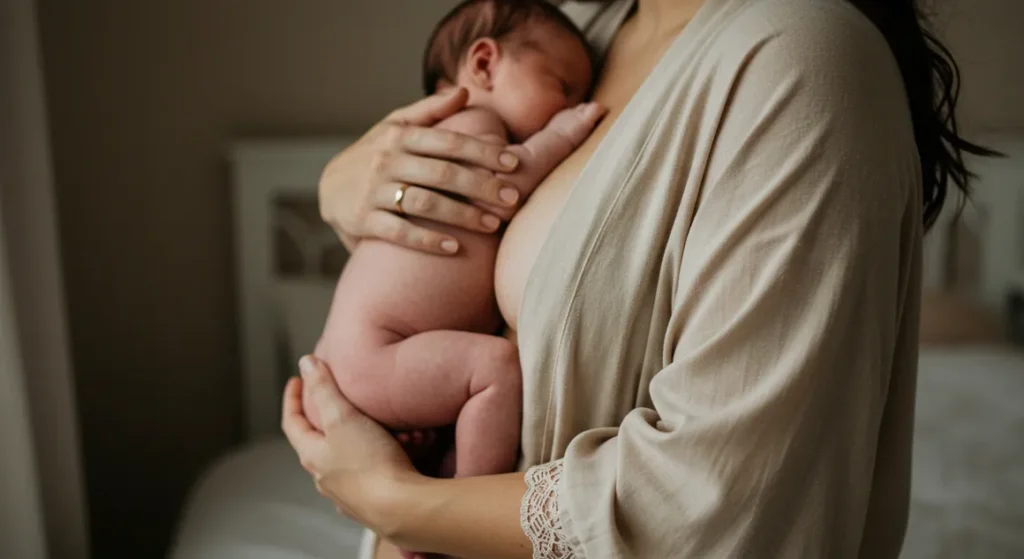
Aromatherapy with essential oils can be added for enhanced relaxation, hormonal balance, and detoxification. Your therapist will ensure comfortable positioning, often using side-lying or face-up positions, especially in early recovery. Many sessions are baby-friendly, allowing you to feed or cuddle your newborn as needed.
After a session, it’s common to feel deeply relaxed. You might experience temporary soreness (similar to after a workout, usually lasting 24–48 hours), fatigue, or even emotional release as your body adjusts. Staying hydrated and resting are recommended.
Important Considerations & Safety
While generally safe, always consult your healthcare provider before starting postpartum massage, especially if you had complications or have underlying health conditions.
- Timing: For vaginal births, massage can begin as soon as you’re comfortable. For C-sections, abdominal massage should wait until your incision is well-healed (typically 6–8 weeks postpartum) and cleared by your doctor.
- Contraindications: Avoid massage if you have blood clots, severe hypertension, active infections (such as mastitis), fever, kidney failure, or certain serious conditions.
- Areas to Avoid or Use Caution: Deep abdominal work, heavy pressure on swollen legs, and direct massage over healing incisions should be avoided during early recovery.
- Qualified Therapist: Seek a massage therapist certified and specifically trained in prenatal and perinatal/postpartum massage therapy.
- Essential Oil Safety: Essential oils should always be properly diluted with a carrier oil. Some oils should be avoided during breastfeeding or around infants, particularly under three months old.
Postpartum Massage vs. Other Therapies
Postpartum massage is a specialized form of massage distinct from general relaxation massages because it focuses on the unique needs of new mothers. It incorporates techniques from Swedish massage, Manual Lymphatic Drainage, and Myofascial Release.
It often complements physical therapy, where physical therapy focuses on strengthening and movement patterns, while postpartum massage addresses healing, tension, and overall well-being.
Always consult with a qualified healthcare professional before starting any new treatment.