
Understanding the Lymphatic System
Key Difference from the Circulatory System
How Deep Breathing Affects Lymphatic Flow
The Breathing Cycle & Lymph Flow
Deep Breathing Techniques for Lymphatic Flow
◌ Diaphragmatic Breathing Steps
↔ Effective Variations
Benefits and Conclusion
Key Benefits of Deep Breathing
Incorporate Deep Breathing Into Your Daily Routine
Breathe Deeper, Feel Better
Discover the powerful, hidden connection between your breath and your body’s natural cleansing system.
What is the Lymphatic System?
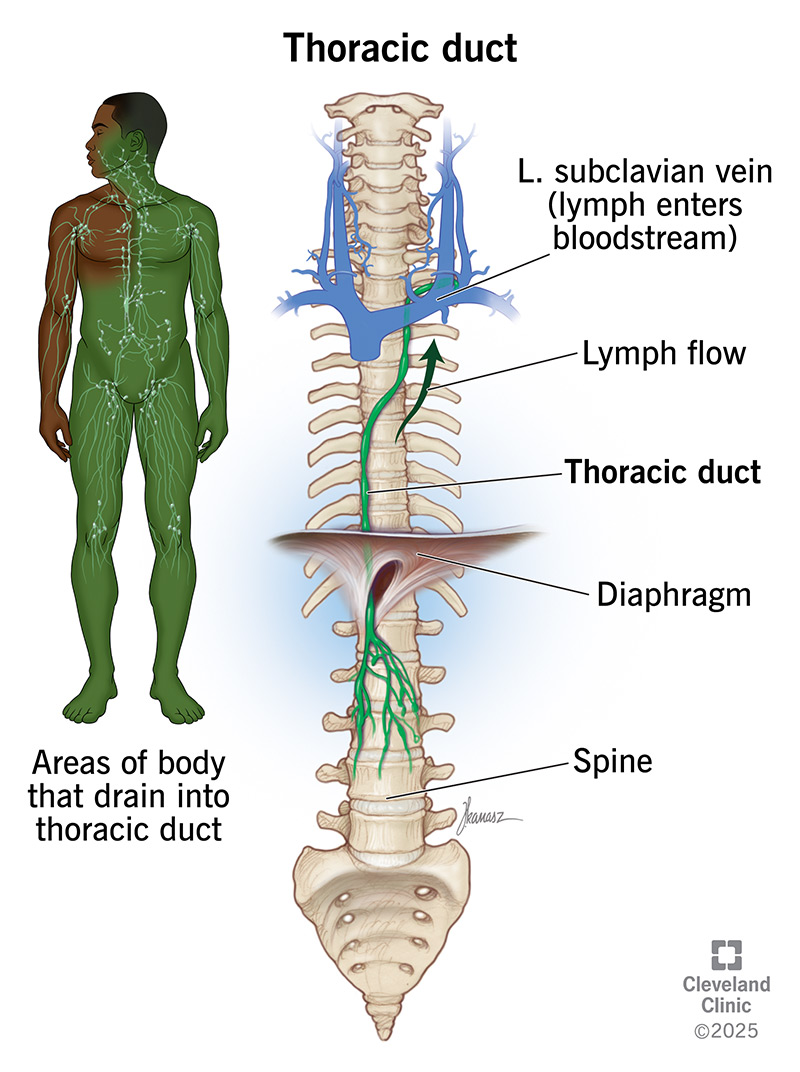
This section introduces your body’s silent partner in health. The lymphatic system is a crucial network responsible for cleaning your tissues and supporting your immunity, but unlike your heart, it doesn’t have its own pump to move fluid around.
Waste Filtration
It collects and filters waste, toxins, and cellular debris from your body’s tissues.
Immune Transport
It carries infection-fighting white blood cells to where they’re needed most.
Nutrient Absorption
It absorbs fats and fat-soluble vitamins from your digestive system.
The Critical Challenge: It Has No Pump.
The lymphatic system relies entirely on external forces like muscle movement and, most importantly, breathing to circulate.
Your Breath is the Pump
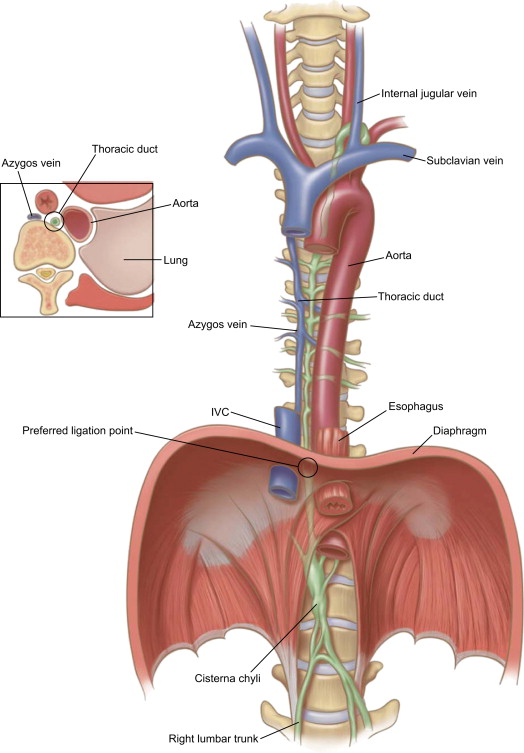
Here you can see how deep, diaphragmatic breathing creates pressure changes that power lymphatic flow. This interactive model demonstrates the core mechanism, showing how the diaphragm’s movement acts as a natural pump to draw fluid up from the lower body. Click the button to see it in action.
The Mechanism
The Health Benefits
By regularly practicing deep breathing, you actively support this vital system. This section outlines the key health advantages of maintaining efficient lymphatic drainage, from enhanced detoxification to a stronger immune response.
Enhanced Detox
Effectively removes metabolic waste and toxins.
Immune Support
Improves circulation of infection-fighting cells.
Reduced Swelling
Prevents fluid buildup (edema) in tissues.
Stress Reduction
Calms the nervous system and reduces inflammation.
How to Practice
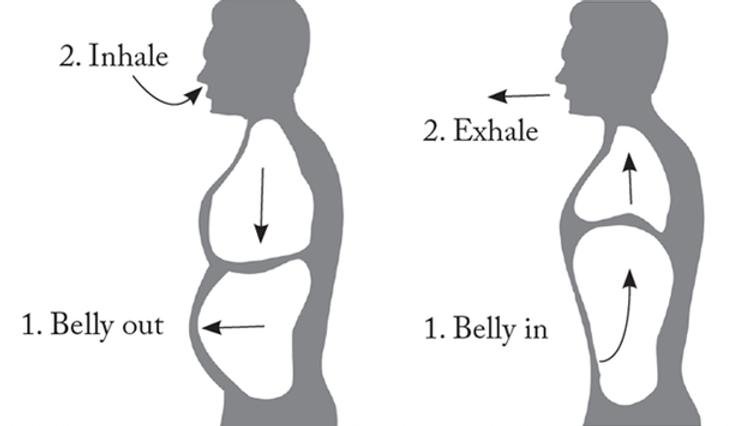
Ready to try it? This simple guide provides a step-by-step method for diaphragmatic breathing. Use the visual pacer below to help guide your rhythm and make this powerful practice a part of your daily routine.
- Find a comfortable position, sitting or lying down.
- Place one hand on your belly, the other on your chest.
- Inhale slowly through your nose, feeling your belly expand.
- Exhale slowly, feeling your belly fall.
- Continue for 5-10 minutes daily.