Licensed/Certified Massage & Lymphedema Therapist in SWFL
What is Infant Massage?
Learn the Language of Touch, Begin Their Wellness Journey
Infant Massage: A Guide for New Parents
Bonding is essential for new babies, and massage is a wonderful way for mothers and fathers to build that connection.
What is Infant Massage?
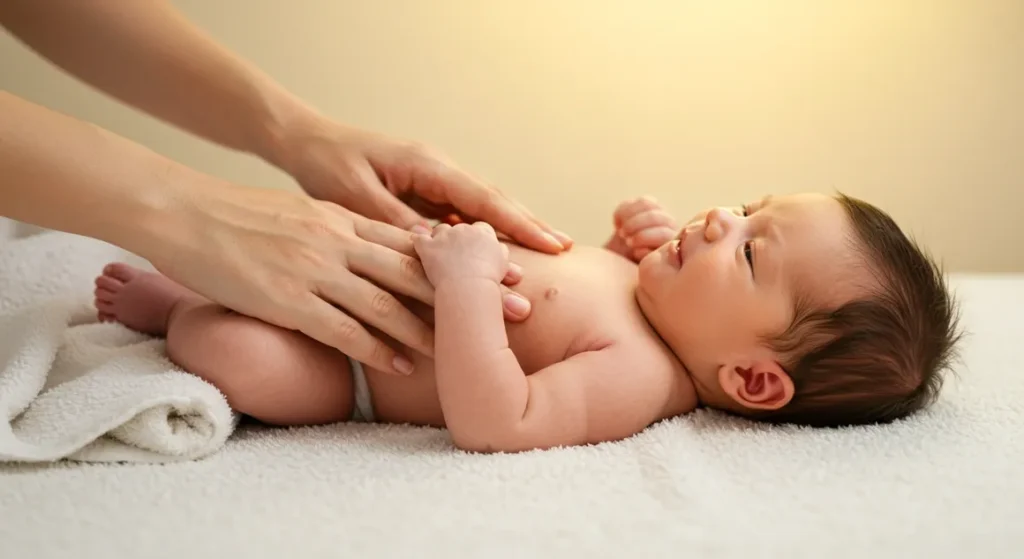
Infant massage is a specialized form of therapeutic touch designed specifically for babies. It is an ancient practice used in cultures around the world and is now widely recognized for its many benefits for infant health and development.
More than simply physical contact, infant massage helps parents learn their baby’s cues, communicate love through touch, and support overall physical and emotional well-being. Touch is a baby’s first language, and gentle massage can send powerful messages of comfort, warmth, and security.
Through intentional touch, parents can help create a strong foundation for their baby’s growth and development during the earliest stages of life.
How Does Infant Massage Help Your Baby?
Infant massage provides many benefits that support your baby’s overall development:
- Physical Growth & Motor Skills: Massage may support healthy weight gain, improve flexibility, enhance coordination, and reduce muscle tension.
- Neurological & Sensory Development: Gentle tactile stimulation supports nervous system development, body awareness, and sensory integration.
- Comfort & Digestion: Massage can help relieve gas, colic, and constipation while improving circulation and supporting immune health.
- Emotional Well-being & Sleep: Infant massage promotes relaxation, supports emotional regulation, and may help babies sleep more peacefully.
How Does Infant Massage Help Parents?
The benefits of infant massage extend to parents and caregivers as well:
- Strengthens Parent-Infant Bond: Massage increases oxytocin, often called the “love hormone,” which strengthens attachment and emotional connection.
- Improves Communication: Parents learn to recognize and respond to their baby’s non-verbal signals and cues.
- Supports Parental Well-being: Infant massage may help reduce parental stress, anxiety, and symptoms of postpartum depression while building confidence in caregiving.
How to Practice Infant Massage
Learning the right time and method for infant massage helps create a positive experience for both parent and baby.
- When to Massage: The ideal time is when your baby is calm and alert — not hungry or overly tired. Look for cues such as eye contact, relaxed breathing, and gentle sounds.
- How to Massage: Use a warm room, soft blanket, and gentle strokes. Start with less sensitive areas such as the arms, legs, and back before moving to the tummy or face. Keep sessions short at first and follow your baby’s cues.
- Choosing the Right Oil: Use natural, edible, unscented oils such as coconut, jojoba, sunflower, or sweet almond oil. Always perform a patch test before using a new oil.
Important Considerations & Safety
While infant massage is generally safe, certain situations require caution or medical guidance.
- Oils to Avoid: Avoid strongly scented oils and essential oils for babies younger than three months unless directed by a qualified professional.
- Contraindications: Do not massage if your baby has fever, infection, diarrhea, serious skin conditions, recent vaccinations, or other medical concerns.
- Medical Consultation: If your baby has any health condition or is receiving medical care, consult your healthcare provider before beginning infant massage.
It is never too soon to introduce the importance of nurturing touch. Schedule today and begin your baby’s wellness journey. Always consult with a qualified healthcare professional before starting any new treatment.